STRATEGIES FOR PREVENTING AND MANAGING NON-COMMUNICABLE DISEASES: A GLOBAL APPROACH TO ADDRESSING THE GROWING HEALTH CRISIS
DOI:
https://doi.org/10.71465/bhsr14Keywords:
Non-communicable diseases, prevention, management, public health, lifestyle factors, cardiovascular diseases, diabetes, chronic respiratory diseases, cancer, health systems, global health, early detection, lifestyle modificationsAbstract
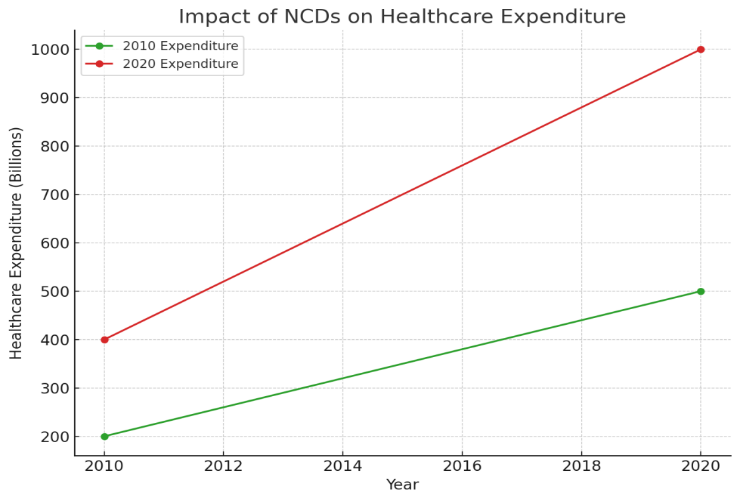
Non-communicable diseases (NCDs) represent a significant and growing global health threat, contributing to over 70% of all deaths worldwide. These diseases, which include cardiovascular diseases, diabetes, chronic respiratory diseases, and cancer, are primarily driven by lifestyle factors such as poor diet, physical inactivity, smoking, and excessive alcohol consumption. The rapid rise of NCDs, particularly in low and middle-income countries, has placed considerable pressure on health systems and economic structures. This article explores the prevention and management strategies for NCDs, emphasizing early detection, lifestyle modifications, and improved healthcare infrastructure. The article also highlights the role of public health policies, community health programs, and individual responsibility in combating these diseases. Effective management, alongside global cooperation, is crucial in mitigating the burden of NCDs and ensuring sustainable health outcomes.
Downloads
Published
Issue
Section
License

This work is licensed under a Creative Commons Attribution-NonCommercial-NoDerivatives 4.0 International License.
All articles published in the Bulletin of Health Services Research are open access and distributed under the terms of the Creative Commons Attribution License. This permits unrestricted use, distribution, and reproduction in any medium, provided the original work is properly cited. Authors retain copyright, and the journal ensures free and permanent access to published content.