CHRONIC PAIN MANAGEMENT: NEW THERAPIES AND APPROACHES
DOI:
https://doi.org/10.71465/bhsr2Keywords:
Chronic pain, neuromodulation, regenerative medicine, artificial intelligence, pain management, personalized therapyAbstract
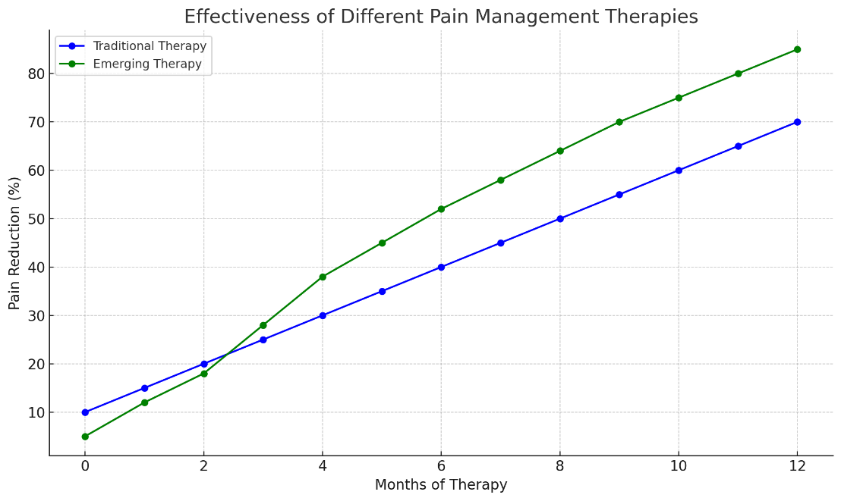
Chronic pain remains a significant healthcare challenge, affecting millions worldwide. Traditional pain management strategies often rely on pharmacological interventions, which may lead to opioid dependency and adverse side effects. Recent advances in medical research have introduced novel therapeutic approaches, including regenerative medicine, neuromodulation, and integrative therapies. This paper explores the latest advancements in chronic pain management, emphasizing non-invasive and minimally invasive techniques. It also discusses the role of artificial intelligence (AI) and machine learning in personalized pain treatment strategies. The findings suggest that a multimodal and interdisciplinary approach may provide more effective and sustainable pain relief.
References
Ahmad, N. R. (2026). AI-enabled public governance in developing states: Service delivery gains, accountability risks, and a practical risk-based regulatory model. Lex Localis - Journal of Local Self-Government, 24(S1), 99–117. https://doi.org/10.52152/wja5db40
Downloads
Published
Issue
Section
License
Copyright (c) 2020 Bulletin of Health Services Research

This work is licensed under a Creative Commons Attribution-NonCommercial-NoDerivatives 4.0 International License.
All articles published in the Bulletin of Health Services Research are open access and distributed under the terms of the Creative Commons Attribution License. This permits unrestricted use, distribution, and reproduction in any medium, provided the original work is properly cited. Authors retain copyright, and the journal ensures free and permanent access to published content.